

Blog

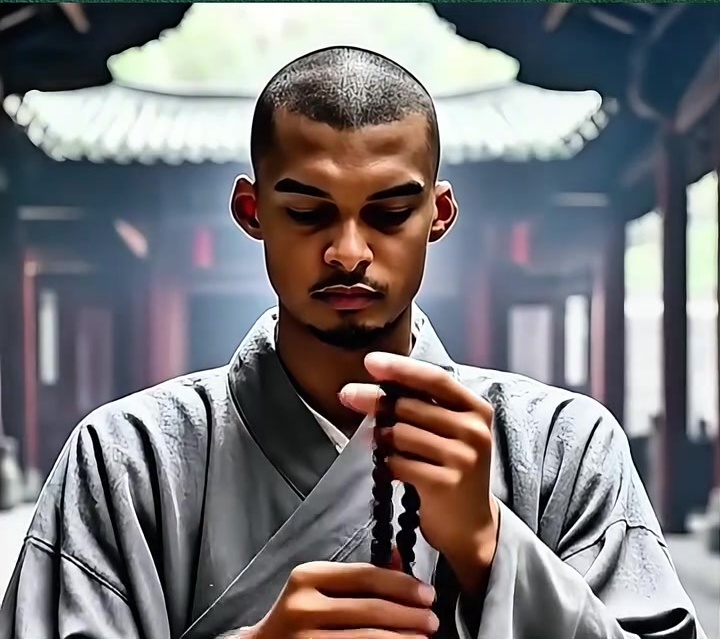
From Victor Wembanyama’s Visit to the Shaolin Temple: How Shaolin Qigong Cultivates a Strong and Sustainable Body
When NBA generational talent Victor Wembanyama appeared at the Shaolin Temple on Mount Song in China, the image quickly drew global attention from both the sports and cultural worlds. Why would a modern professional basketball player—over 7 feet 4 inches tall and widely regarded as a once-in-a-generation prospect—choose to step into a thousand-year-old monastery for training seemingly unrelated to elite athletics?
The answer may lie in the unique way Shaolin Qigong understands and develops the human body.
I. Why Elite Athletes Are Turning Their Attention to “Qi” Training
For professional basketball players, physical competition is no longer simply about strength, speed, or vertical leap. As training systems and sports science have matured, the real differentiators increasingly include:
- Physical durability and long-term stability
- Recovery capacity under repeated high-intensity loads
- Fine neuromuscular control
- Mental focus and emotional regulation over a long season
For an athlete with an exceptional physical profile like Wembanyama, joint stress, muscular imbalance, and accumulated fatigue are persistent challenges. While conventional strength and conditioning are essential, they primarily target external muscle systems and are not always sufficient to address how the body can be used sustainably over time.
This is precisely where traditional Chinese Qigong—and Shaolin Qigong in particular—offers a different perspective.
II. The Core of Shaolin Qigong: Training the Whole System, Not Isolated Muscles
Shaolin Qigong is not mystical folklore, but a physical discipline refined through centuries of practice. Its focus is not short-term explosive output, but the long-term optimization of the body as an integrated system. It centers on three foundational principles:
- Regulating the body (Tiao Shen): Using specific postures and standing practices to align bones, joints, and connective tissues into more efficient biomechanical structures
- Regulating the breath (Tiao Xi): Employing deep, slow, and even breathing to improve oxygen utilization and internal coordination
- Regulating the mind (Tiao Xin): Reducing unnecessary nervous tension and enhancing concentration and body awareness
This approach aligns closely with modern athletic concepts such as efficiency, load management, and sustainability.
For elite athletes, the value of Qigong is not reflected in raw strength metrics, but in outcomes such as:
- More economical movement patterns
- Faster transitions between exertion and relaxation
- Improved recovery speed after intense effort
III. The Practical Effects of “Qi”: Tangible Physiological Feedback
In traditional Chinese medicine and Qigong theory, “Qi” is not an abstract or mystical idea. Rather, it describes the integrated functioning of respiration, circulation, nervous system regulation, and internal bodily perception.
Long-term practitioners of Qigong commonly report consistent physiological changes, including:
- Deeper breathing and more stable heart rates
- Improved peripheral circulation and more balanced body temperature
- Muscles that relax more quickly after exertion
- Heightened awareness of subtle fatigue, tension, or imbalance
These changes may appear subtle, but they are critical. They indicate a body that no longer operates in a constant state of tension or overcompensation, but instead functions in a high-efficiency, low-wear mode.
IV. The Body Philosophy Behind Shaolin Practice: Long-Termism
Modern sports emphasize load tracking and immediate performance feedback. Shaolin Qigong, by contrast, represents a different philosophy of the body:
It does not aim for peak output in a single moment, but for a body that remains usable and resilient over an entire lifetime.
Within the Shaolin system, Qigong is practiced alongside walking meditation, standing, stretching, and seated stillness. This integration of movement and stillness helps the body maintain equilibrium while gradually improving structural integrity and internal regulation—with minimal joint impact.
From this perspective, Wembanyama’s visit to the Shaolin Temple is not cultural curiosity, but a deliberate exploration of higher-level physical solutions.
V. From the NBA to Shaolin: The Contemporary Value of Chinese Qigong
Wembanyama’s experience has helped reframe global perceptions of Chinese Qigong. It is not reserved for the elderly or traditional culture enthusiasts—it can serve modern athletes, including those at the highest competitive levels.
In today’s high-intensity, high-consumption athletic environment, Qigong does not promise superhuman abilities. Instead, it offers something more fundamental and often overlooked:
The ability for the body to recover, self-regulate, and remain stable under continuous strain.
VI. Returning to the Court: Performance as the Most Honest Feedback
After completing his Shaolin training and returning to NBA competition, Victor Wembanyama demonstrated noticeably greater composure, stability, and physical efficiency in multiple games.
For example:
- In a game against the Phoenix Suns, he recorded 38 points, 10 rebounds, and 2 blocks, maintaining high shooting efficiency despite intense physical defense.
- In another matchup, he delivered a rare “5×5” performance, reaching at least five in points, rebounds, assists, steals, and blocks—an achievement that reflects exceptional coordination and sustained focus.
- Across multiple games, he remained effective deep into fourth quarters, preserving movement speed, defensive timing, and decision-making clarity—an uncommon trait for a young player.
These improvements are not simply about eye-catching statistics. They reflect a more mature way of using the body: greater efficiency, smarter energy distribution, and reduced unnecessary tension.
For professional athletes, career longevity is ultimately shaped not by occasional highlight performances, but by reduced injury risk and stable physical output. From this standpoint, the Shaolin principles of regulating the body, breath, and mind directly address areas often neglected in conventional training systems.
Wembanyama’s journey cannot be universally replicated, but it sends a clear message:
Chinese Qigong is not merely a cultural symbol—it retains practical, measurable value within modern high-performance sports.
True strength, perhaps, is not just greater power—but knowing how to use one’s body well, for a long time.