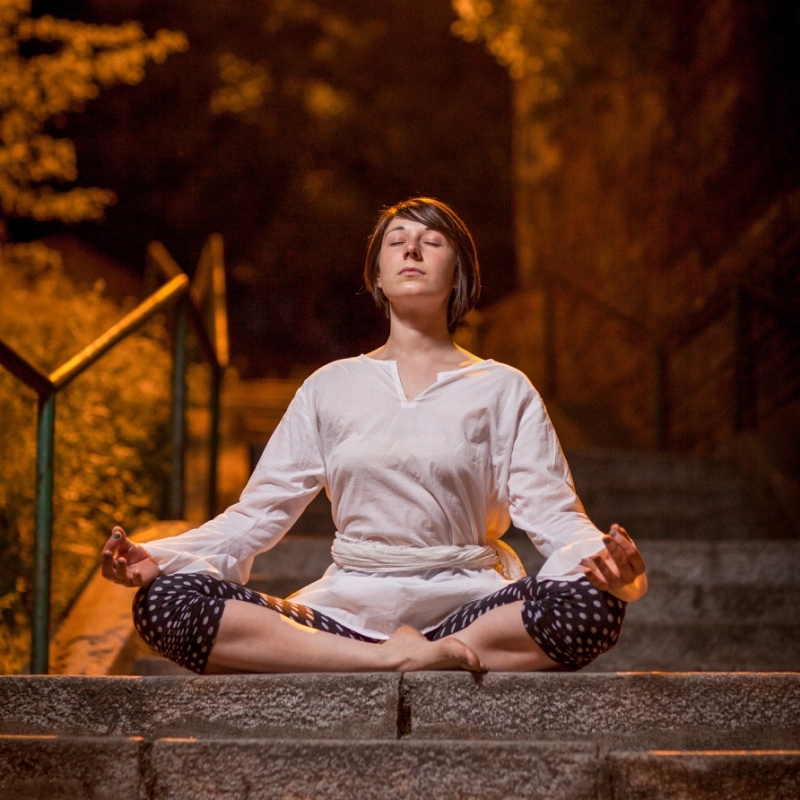
Qigong

A Simple Guide to Qigong: Ancient Chinese Practice for Modern Life

Imagine a gentle, moving meditation that has been practiced for thousands of years to boost health, calm the mind, and connect with the natural world. This is **Qigong** (pronounced “chee-gong”). For many Americans, it might sound mysterious, but at its heart, Qigong is beautifully simple and accessible. It combines slow, flowing movements, deep breathing, and focused attention. Think of it as a way to gently tune your body and mind, much like maintaining a garden to help it flourish.

What Exactly is Qigong?

The word “Qigong” comes from two Chinese ideas: “Qi” (often called life energy or vital force) and “Gong” (which means skill or work cultivated over time). So, Qigong is the practice of cultivating your life energy. While “Qi” may seem like a foreign concept, you can think of it as the feeling of aliveness and vitality you experience when you are truly healthy, relaxed, and full of spirit.

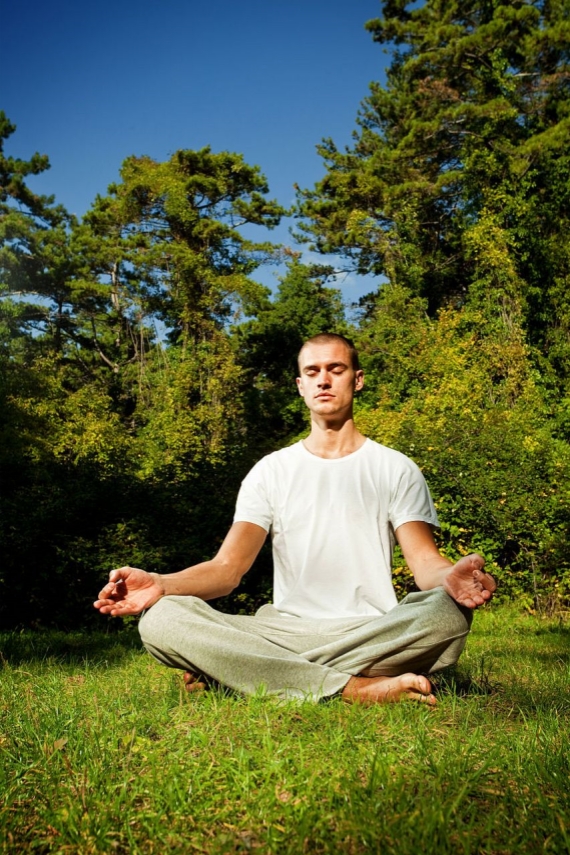
Unlike intense gym workouts, Qigong is soft, slow, and low-impact. Its primary goal is not to build big muscles, but to create a state of balance and harmony within. Practitioners often describe it as “meditation in motion.In ancient times, Taoists and monks would enhance their own abilities by reciting scriptures and practicing qigong.

In their view, qigong is a method by which the human body connects with nature and absorbs energy from the universe. Qigong achieves this by regulating one's regular breathing, thereby gradually calming one's inner self. Through practicing this technique, one can enhance a certain latent flow of energy within the body. This kind of feeling of flu takes a long time of practice to be felt. That is to say, Qigong is about making your body feel the changes in the flow of qi.

The Many Gifts of Practice: From Body to Spirit

Let’s explore the key benefits that have made Qigong a cherished practice for centuries.

1.Caring for Your Body: Qigong is a powerful form of preventative healthcare. The gentle movements lubricate joints, improve flexibility, and enhance circulation without strain. It’s like giving your internal organs a soothing massage. By promoting the smooth flow of energy and blood, it helps the body’s natural healing systems work better. Many people use it to reduce pain, boost their immune system, improve sleep, and increase overall stamina. It’s a tool for longevity and health, allowing people to stay active and vibrant well into their later years.

2.Clearing and Calming the Mind: In our fast-paced world, our minds are constantly busy. Qigong offers a refuge. By synchronizing movement with breath, it draws your attention away from daily worries and into the present moment. This focused calm helps reduce stress, anxiety, and mental fatigue. It’s a practice of purifying the heart and mind, creating inner space and clarity. You finish a session feeling refreshed, not exhausted.

3.Building Strength from the Inside Out: The strength Qigong builds is deep and resilient. Holding slow, low postures works the legs and core in a unique way, building what is called “rooted” strength. More importantly, it strengthens the connection between your mind and body, improving balance and coordination. This makes you less prone to falls and injuries, offering a profound form of physical strengthening that supports all other activities.

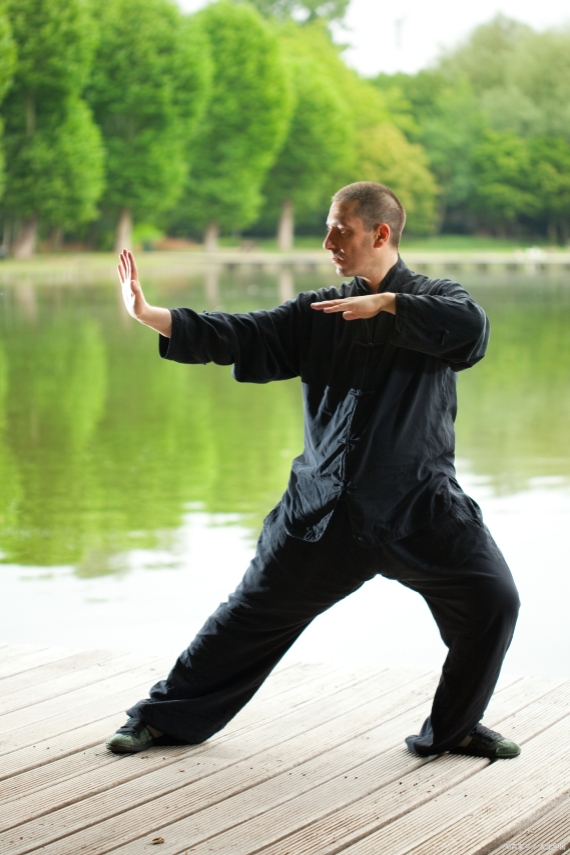
4. Connecting with Nature and the Universe: Qigong movements are often inspired by nature—like “Pushing the Waves” or “Holding the Moon.” Practicing outdoors, or even imagining it, enhances this feeling. The philosophy teaches that humans are not separate from the natural world; we are a part of it. By harmonizing our personal energy (“Qi”) with the energy of the earth and environment, we experience a sense of being part of something larger. This is the path to “Heaven and Human as One” (Tian Ren He Yi), a state of deep peace and interconnection.
The Science Behind the Practice: What Modern Research Suggests

While the idea of Qi might not fit directly into a Western laboratory, scientists are very interested in what happens in the body *during* and *after* Qigong practice. The measurable effects provide clues to its “magical” benefits:

* Stress Reduction: Studies show Qigong significantly lowers levels of cortisol, the body’s main stress hormone. This explains the deep relaxation practitioners feel.
* Nervous System Balance: Qigong activates the parasympathetic nervous system (the “rest and digest” system), countering our overused “fight or flight” response. This promotes healing and recovery.
* Better Circulation and Inflammation: The gentle movements and deep breathing improve blood flow and vascular function. Some research indicates it may help reduce chronic inflammation, a root cause of many modern diseases.
* Brain Health: MRI scans show that regular mindful practices like Qigong can increase gray matter density in brain areas linked to memory, learning, and emotion regulation.
* The Power of Mindful Movement: The combination of focus, breath, and movement is key. This trio is known to enhance neuroplasticity (the brain’s ability to rewire itself) and improve mind-body communication, which is central to theories like the polyvagal theory in understanding trauma and wellness.

In essence, science suggests Qigong works by giving the body the optimal conditions to heal and regulate itself. It turns down the noise of stress and allows our natural biological wisdom to emerge.

Taking the First Step: Your Simple Guide to Starting Qigong

Getting started with Qigong is actually pretty simple. You don’t need to be super flexible or have any special gear. The real secret is just to relax, be curious, and take it slow — like learning anything new, it’s more about feeling it than thinking it. Let’s break it down into some easy steps to help you ease into it.

1. Find Your Spot
Pick a calm and comfy place, indoors or outside — anywhere you won’t be interrupted. It doesn’t have to be big, just enough space to stretch your arms out without bumping into things. Wear something loose and cozy, kick off your shoes, and maybe lay down a yoga mat if you like.

2. Try “Standing Like a Tree”
This is the most basic Qigong pose, and it’s easier than it sounds. Stand with your feet shoulder-width apart, knees soft (not locked). Imagine you’re a tree: your feet are roots growing into the ground, and the top of your head is gently lifting toward the sky.
Rest your hands in front of your belly like you’re holding a soft balloon. Just stand there for a couple of minutes, breathing slowly and naturally. You might feel your body sway or tingle — that’s totally fine. It’s all about getting calm and grounded.

3. Learn a Gentle Moving Routine
Once standing feels okay, you can try a simple flowing set like “Baduanjin” (Eight Pieces of Brocade). It’s just eight easy moves with fun names like “Holding Up the Sky” or “Shaking the Tail.”
No need for a class — you can find beginner-friendly videos all over YouTube. Look up “Qigong for Beginners” and pick someone whose voice you like. Go slow, maybe learn one move a day. It’s not a workout, it’s more like moving meditation.

4. Remember the Easy Rules
- Go Slow: Seriously — slower than you think. This lets you really notice what’s happening inside.
- Breathe Easy: Don’t force your breath. Just let it flow. If it helps, breathe in when you reach up or open out, breathe out when you sink down or draw in.
- Stay Kind to Your Mind: Your thoughts will wander — that’s normal! Just softly guide your attention back to your body and breath.

5. Make It a Tiny Habit
Start with just five minutes a day. Consistency beats long sessions. Try doing it in the morning with your coffee or at night to unwind.
It’s not about doing it perfectly — it’s about showing up and giving yourself that quiet moment. Think of it like brushing your teeth, but for your energy and mood.

Bottom line: Qigong isn’t about getting it right. It’s about how it makes you feel — calmer, more centered, more *you*. Why not give it a try today? You might just find a little pocket of peace you didn’t know was there.

In Conclusion

Qigong is not a quick fix or a rigid exercise; it is a lifelong journey of gentle discovery. It is an ancient Chinese art of self-care that speaks directly to modern needs: to de-stress, to heal, to find inner peace, and to remember our connection to the world around us. It offers a simple, profound path to holistic health—nurturing the body, cleansing the mind, and touching the spirit. Why not try a simple 10-minute session? You might just discover a powerful tool for harmony that has been waiting for you all along.

Leave a Reply

Your email address will not be published. Required fields are marked *